.jpg)
From Urban Clamor to Serene Landscapes: The Shift of Families Toward Planned Communities
While living in a bustling city offers undeniable convenience, such as easy access to shops, restaurants, and entertainment, it often comes with significant drawbacks. Families face issues like air and noise pollution, jam-packed roads during rush hours, a scarcity of green spaces, and heightened stress levels from the fast-paced environment. As a result, weekends, which should be a time for relaxation and family bonding, frequently feel more like a continuation of the hectic workweek, filled with the same fatigue and tension. In contrast, many families are discovering the appeal of planned communities, where calmness and nature take precedence over the chaos of urban life. These communities typically feature spacious homes set amid lush parks, playgrounds, and walking trails, providing ample opportunities for outdoor activities and quality family time. Here, the stressors of city living are replaced by the soothing sights and sounds of nature, creating a healthier and more balanced lifestyle for families looking to reconnect and recharge. This is why a growing number of homebuyers are shifting from noise to nature. As urban centres expand and their populations swell, the difficulties associated with city living become more pronounced. Although many apartments are conveniently located within a reasonable commuting distance from various workplaces, they often lack essential amenities and features that contribute to a comfortable and satisfying living experience. Issues such as limited space, inadequate sound insulation, and the absence of green areas for relaxation and recreation are common. Additionally, the infrastructure in densely populated neighbourhoods may struggle to keep pace with growing service demand, resulting in longer wait times and a general sense of overcrowding. These challenges highlight the need for innovative solutions to enhance the quality of urban life amidst the ongoing trend of metropolitan expansion.
One notable drawback of urban living is the limited availability of open green spaces. Many cities present a stark landscape dominated by concrete and asphalt, which often leaves residents with extremely limited access to parks, gardens, or other natural areas where they can unwind and decompress. These green spaces are essential not only for enhancing mental well-being—with their calming presence and opportunities for leisure—but also for encouraging social interactions among community members. Access to vibrant parks, filled with lush greenery, colourful flowers, and inviting pathways, is crucial for fostering connections and promoting a healthier lifestyle. The absence of these areas can lead to increased stress and isolation in urban dwellers, reinforcing the need for more thoughtfully designed public spaces that prioritise nature and community engagement.
Furthermore, numerous apartment living arrangements present challenges related to privacy and flexibility. Many apartments feature thin walls that are shared with neighbouring units, leading to an unwelcome exchange of sounds—from a neighbour’s music to the hum of everyday living—that can intrude upon one’s tranquility. This lack of sound insulation can significantly disrupt the peace that residents seek in their homes.
In addition to the acoustic disturbances, the design of many apartments often adheres to rigid floor plans that restrict residents' ability to modify their living spaces. These static layouts limit opportunities for personalisation, making it difficult for individuals to create an environment that truly reflects their tastes and lifestyle. As a result, apartment dwellers may find themselves living in spaces that feel more like a compromise than a sanctuary. When evaluating long-term financial investments, it's important to recognise that apartments generally experience lower appreciation in value when compared to land. As urban areas continue to develop and expand, the demand for available land tends to rise significantly. This sustained demand can result in a more pronounced increase in land value over time, making it a potentially more lucrative investment.
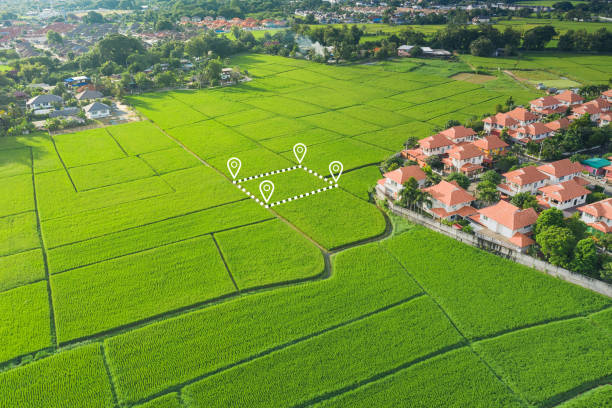
For investors focused on building long-term stability and growth in their asset portfolio, owning land offers several advantages. Unlike apartment properties, which may face fluctuations in rental income and higher vacancy rates, land often holds intrinsic value that is less susceptible to market volatility. Moreover, the finite nature of land resources in expanding cities further enhances their potential for appreciation, making it a sound financial decision for those looking to secure their financial future. In essence, investing in land can provide a more reliable path to asset growth compared to the challenges often faced with apartment investments. Plotted developments nestled amidst the beauty of nature provide a harmonious blend of financial opportunity and an enriching lifestyle. These vibrant communities not only offer stunning natural surroundings but also create an inviting atmosphere where residents can thrive. Imagine waking up to the gentle sounds of rustling leaves and chirping birds, with scenic views that inspire tranquillity and joy. This perfect combination of investment potential and a fulfilling life makes plotted communities an unparalleled choice for those seeking both financial security and a deeper connection to the world around them. Imagine blissful weekends spent far from the hustle and bustle, where the only sounds are the gentle rustle of leaves and the soothing murmur of nature. Escape the chaos of traffic and noise, and immerse yourself in tranquillity and relaxation.
The likelihood of property value appreciation is increasing significantly, particularly as the supply of available land becomes increasingly limited. As urban development expands and the demand for housing rises, fewer plots of land are left untouched, making existing properties more desirable. This scarcity not only fuels competition among buyers but also sets the stage for upward price trends in real estate, highlighting the growing importance of land as a valuable asset in today’s market. The opportunity to design and build a home tailored to accommodate your family's evolving needs for years to come. Imagine a space that not only reflects your personal style but also incorporates features that enhance daily living, such as adaptable rooms for growing children, energy-efficient systems for sustainability, and flexible spaces for work or hobbies. This freedom allows you to create a sanctuary that nurtures your family's well-being and provides the comforts required for the future.
Improved mental and physical well-being encompasses a holistic approach to enhancing one’s overall health. It involves not only the cultivation of a positive mindset and emotional resilience but also the promotion of physical fitness and nutritional habits. Engaging in regular physical activity, such as yoga, jogging, or strength training, can improve cardiovascular health and strengthen muscles, whereas practising mindfulness techniques, such as meditation or journaling, can significantly enhance emotional stability and reduce stress levels. Additionally, maintaining a balanced diet rich in whole foods, vitamins, and minerals supports both brain function and physical vitality, ultimately leading to a more fulfilling and energetic lifestyle.
Acquiring land at an early stage offers families a unique opportunity to enjoy the present while simultaneously laying the groundwork for their future. This piece of property could transform into a delightful weekend retreat, providing a serene escape from the hustle and bustle of daily life, or it might serve as a cozy retirement residence where one can relax and savour the golden years. Additionally, land can become a cherished family legacy, passed down through generations, creating a tangible connection to the past. Amidst economic fluctuations, land remains one of the most reliable long-term investments, offering both stability and the potential for appreciation over time. Embracing the journey of land ownership not only enriches the current lifestyle but also ensures a solid foundation for future endeavours.
One notable drawback of urban living is the limited availability of open green spaces. Many cities present a stark landscape dominated by concrete and asphalt, which often leaves residents with extremely limited access to parks, gardens, or other natural areas where they can unwind and decompress. These green spaces are essential not only for enhancing mental well-being—with their calming presence and opportunities for leisure—but also for encouraging social interactions among community members. Access to vibrant parks, filled with lush greenery, colourful flowers, and inviting pathways, is crucial for fostering connections and promoting a healthier lifestyle. The absence of these areas can lead to increased stress and isolation in urban dwellers, reinforcing the need for more thoughtfully designed public spaces that prioritise nature and community engagement.
Furthermore, numerous apartment living arrangements present challenges related to privacy and flexibility. Many apartments feature thin walls that are shared with neighbouring units, leading to an unwelcome exchange of sounds—from a neighbour’s music to the hum of everyday living—that can intrude upon one’s tranquility. This lack of sound insulation can significantly disrupt the peace that residents seek in their homes.
In addition to the acoustic disturbances, the design of many apartments often adheres to rigid floor plans that restrict residents' ability to modify their living spaces. These static layouts limit opportunities for personalisation, making it difficult for individuals to create an environment that truly reflects their tastes and lifestyle. As a result, apartment dwellers may find themselves living in spaces that feel more like a compromise than a sanctuary. When evaluating long-term financial investments, it's important to recognise that apartments generally experience lower appreciation in value when compared to land. As urban areas continue to develop and expand, the demand for available land tends to rise significantly. This sustained demand can result in a more pronounced increase in land value over time, making it a potentially more lucrative investment.
For investors focused on building long-term stability and growth in their asset portfolio, owning land offers several advantages. Unlike apartment properties, which may face fluctuations in rental income and higher vacancy rates, land often holds intrinsic value that is less susceptible to market volatility. Moreover, the finite nature of land resources in expanding cities further enhances their potential for appreciation, making it a sound financial decision for those looking to secure their financial future. In essence, investing in land can provide a more reliable path to asset growth compared to the challenges often faced with apartment investments. Plotted developments nestled amidst the beauty of nature provide a harmonious blend of financial opportunity and an enriching lifestyle. These vibrant communities not only offer stunning natural surroundings but also create an inviting atmosphere where residents can thrive. Imagine waking up to the gentle sounds of rustling leaves and chirping birds, with scenic views that inspire tranquillity and joy. This perfect combination of investment potential and a fulfilling life makes plotted communities an unparalleled choice for those seeking both financial security and a deeper connection to the world around them. Imagine blissful weekends spent far from the hustle and bustle, where the only sounds are the gentle rustle of leaves and the soothing murmur of nature. Escape the chaos of traffic and noise, and immerse yourself in tranquillity and relaxation.
The likelihood of property value appreciation is increasing significantly, particularly as the supply of available land becomes increasingly limited. As urban development expands and the demand for housing rises, fewer plots of land are left untouched, making existing properties more desirable. This scarcity not only fuels competition among buyers but also sets the stage for upward price trends in real estate, highlighting the growing importance of land as a valuable asset in today’s market. The opportunity to design and build a home tailored to accommodate your family's evolving needs for years to come. Imagine a space that not only reflects your personal style but also incorporates features that enhance daily living, such as adaptable rooms for growing children, energy-efficient systems for sustainability, and flexible spaces for work or hobbies. This freedom allows you to create a sanctuary that nurtures your family's well-being and provides the comforts required for the future.
Improved mental and physical well-being encompasses a holistic approach to enhancing one’s overall health. It involves not only the cultivation of a positive mindset and emotional resilience but also the promotion of physical fitness and nutritional habits. Engaging in regular physical activity, such as yoga, jogging, or strength training, can improve cardiovascular health and strengthen muscles, whereas practising mindfulness techniques, such as meditation or journaling, can significantly enhance emotional stability and reduce stress levels. Additionally, maintaining a balanced diet rich in whole foods, vitamins, and minerals supports both brain function and physical vitality, ultimately leading to a more fulfilling and energetic lifestyle.
Acquiring land at an early stage offers families a unique opportunity to enjoy the present while simultaneously laying the groundwork for their future. This piece of property could transform into a delightful weekend retreat, providing a serene escape from the hustle and bustle of daily life, or it might serve as a cozy retirement residence where one can relax and savour the golden years. Additionally, land can become a cherished family legacy, passed down through generations, creating a tangible connection to the past. Amidst economic fluctuations, land remains one of the most reliable long-term investments, offering both stability and the potential for appreciation over time. Embracing the journey of land ownership not only enriches the current lifestyle but also ensures a solid foundation for future endeavours.